Pompano Beach Condo Short-Term Rental Rules in Pompano Point
October 8, 2026
October 8, 2026
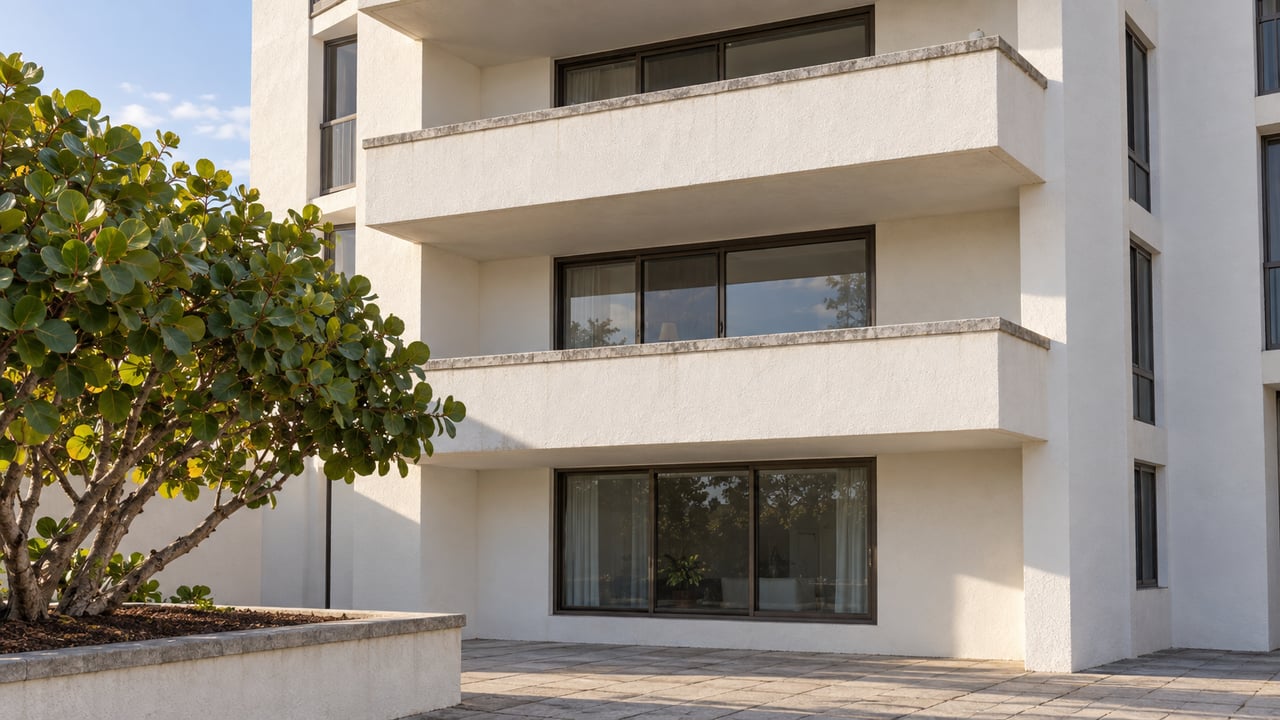
Picture two oceanfront units stacked one above the other in a Pompano Point tower. They have the same floor plan, the same view and the same association. One owner has rented by the week for years. The owner below can't rent for less than whatever minimum the association recorded a while back. Neither owner is breaking a rule. Florida condo law allows both to happen in the same building, and the line between them comes down to when each owner got title.
This matters most to the buyer. If you buy the upstairs unit, the seller's booking calendar, reviews and income statement may describe a right you won't have.
Pompano Beach runs a short-term rental permit program on a fixed annual cycle under the Pompano Beach code. Permits run from October 1 to September 30, so renewals just came due. A permit not renewed in time is inactive. No renting is allowed until it's fixed, and a 25% delinquency penalty is added on January 1. Initial permits cost $675 for a single-family home or duplex and $750 for a triplex or quadplex. Renewals are $375.
None of that applies to an oceanfront condo. The Pompano Beach city code defines a short-term rental as a dwelling unit rented for six months or less in a calendar year. The same definition then excludes "condominiums, condo hotels, hotels, motels, timeshare properties, or bed and breakfasts." The permit is described as one "required to operate a single family, duplex, triplex, or quadplex as a short term rental."
On streets of single-family homes, the city decides. In the towers along A1A, the condo association's recorded declaration decides, and state law shapes how far its rules reach.
Associations can amend their declarations to ban rentals, set minimum lease terms or cap how often owners can rent. Florida Statute 718.110(13) limits who those amendments bind:
An amendment prohibiting unit owners from renting their units or altering the duration of the rental term or specifying or limiting the number of times unit owners are entitled to rent their units during a specified period applies only to unit owners who consent to the amendment and unit owners who acquire title to their units after the effective date of that amendment.
Under a separate subsection, an amendment takes effect once it is properly recorded in county public records. This rental language goes back to 2010 legislation. The 2025 update to the statute amended subsections (4) and (10) and left the rental provision as it was.
Here's what that means in practice. Suppose an owner bought before a rental restriction was recorded and didn't vote for it. That owner can keep renting under the older terms. A buyer who takes title after the recording date can't. The grandfathered right stays with the person and does not pass to the unit. That's why two identical units in one building can have different rental rights.
For a buyer, the key fact isn't whether the unit is being rented today. It's whether the building has recorded a rental amendment, and whether the current owner rents only because they owned before it.
Short-term rental numbers across the city are strong right now. AirDNA's market summary for Pompano Beach, with data through September 2026, shows 788 active listings. Over the trailing twelve months, they averaged 62% occupancy, a $285 average daily rate, $176 in RevPAR and about $55,300 in revenue per active listing. AirDNA itself warns that market-wide averages hide wide variation and suggests looking at neighborhood and property-level data instead.
In a tower with a recorded restriction, even property-level income can mislead. A seller's twelve months of nightly bookings show what the unit earned under the seller's rights. If the buyer has to follow a longer minimum term or an annual cap, the useful comparison is what the unit could earn under that rule. That could be seasonal or annual leasing instead of weekly stays.
Hotel supply near the pier is part of the picture too. Tru by Hilton Pompano Beach Pier operates at 200 North Ocean Blvd. in the Fishing Village. The Sun Sentinel reported in March 2026 that the W Pompano Beach Hotel & Residences was planned with 303 hotel and condo units at 20 N. Ocean Blvd., with groundbreaking estimated for October 2026. Condo hotels are also outside the city's short-term rental definition. Buildings set up for transient stays from the start work under different documents than a residential tower that later amended its rules.
The city permit doesn't apply, but owners who rent short-term in a building that allows it still have obligations.
Per-applicant approval fees eat into short-term rental income. A unit rented by the week to new guests can generate approval paperwork far more often than one leased for a season.
Listing remarks and rental income statements tell you what the seller did. Recorded documents tell you what you'll be allowed to do. Before writing an offer on a Pompano Point condo with rental income in mind, it makes sense to collect:
An attorney or title professional can read the recorded documents and confirm how they apply to a specific purchase. This post explains how the rules are structured. It isn't legal or tax advice.
Not right now. The broad 2024 vacation rental bill, CS/SB 280, passed both chambers but was vetoed on June 27, 2024. A 2026 bill on water-safety features for some vacation rentals passed the Senate and died in House messages on March 13, 2026.
It trades one set of rules for another. A duplex can be outside condo rules, but it falls under the city permit. Pompano Beach's application materials say that permit doesn't transfer, so a new owner has to apply for a new one. Applications go through inspections by code compliance, building and fire staff. Occupancy is limited to two people per bedroom.
It can amend its declaration. Under 718.110(13), an amendment recorded after you take title binds you only if you consent to it.
At Walker Realty & Investments, we underwrite Pompano Point condos based on the rental rights a buyer will actually have after closing, using the recorded documents and our own operating results through Walker Vacation Rentals. Schedule your free market & rental analysis, and we'll model the unit under its recorded rental rules before you make an offer.
Stay up to date on the latest real estate trends.


At Walker Realty & Investments, we’re dedicated to putting our clients first, offering honest, professional service with integrity at every step. Let’s work together today!