Are you eyeing a condo in Pompano Beach but unsure how to separate a smart buy from a risky one? You’re not alone. Between oceanfront high-rises, Intracoastal buildings, and inland communities, choices can feel overwhelming. This guide walks you through what to check, why it matters, and how to buy with confidence in coastal Broward. You’ll learn how to vet a building’s finances, insurance, and rules, plus a step-by-step plan to move from search to close. Let’s dive in.
Why Pompano condos appeal
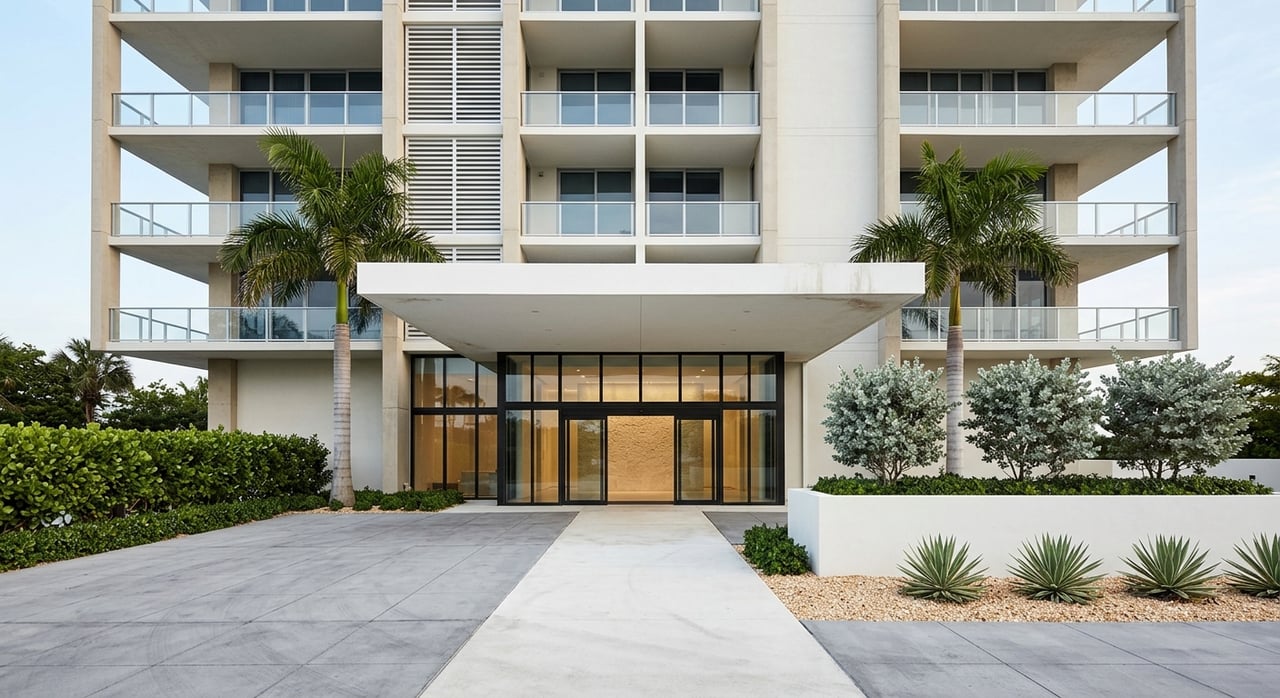
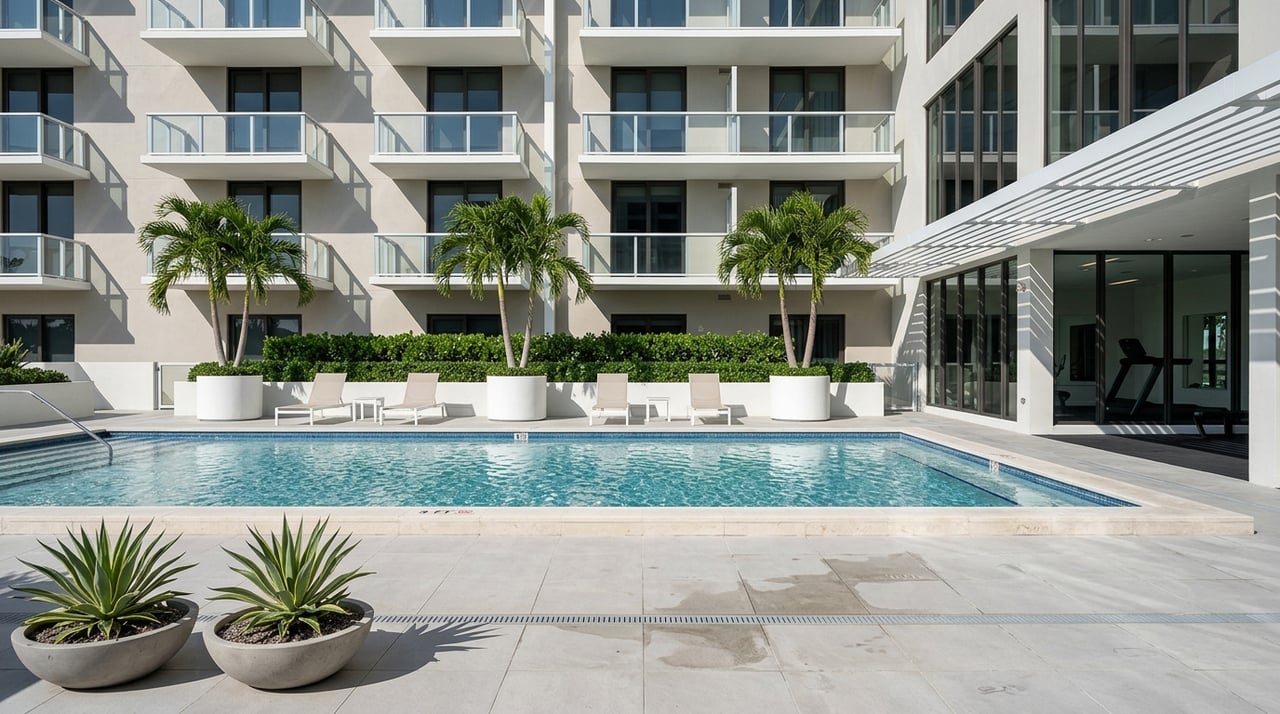
Pompano Beach sits within Broward County and the Fort Lauderdale–Pompano Beach–Deerfield Beach area. You’ll find everything from waterfront towers to low-rise complexes a few blocks inland. Building age, amenities, and proximity to the ocean or Intracoastal drive big differences in pricing, monthly fees, and risk exposure.
If you’re a first-time buyer, monthly costs and financing options often top the list. If you’re moving up locally, you may care more about building condition and assessments. Investors focus on rental rules and financing eligibility. Your best move is to match your goals to the building’s realities.
Start with building basics
Before you fall in love with a view, understand the building’s construction, age, and upkeep.
Construction type
- Look for reinforced or poured concrete in high-rises and concrete block in mid-rises.
- Wood-frame low-rises exist in some areas and can have different maintenance profiles.
- Coastal salt air accelerates concrete and metal corrosion, so structure and envelope condition matter.
Year built and major updates
- Ask about roof replacements, balcony and façade repairs, window upgrades, and mechanical system updates.
- Older buildings can carry deferred maintenance or large upcoming projects that affect fees and assessments.
Engineering reports and permits
- Request recent structural or engineering reports and check for concrete spalling, corrosion, and leaks.
- Pull recent permit history from the city or county to confirm scope and timing of work.
Association finances you must review
A healthy association protects your wallet. A weak one can surprise you with costly assessments.
What to request
- Current operating budget and most recent audited or reviewed financials.
- Reserve study or documentation of reserve balances.
- Details on any special assessments, plus the collection rate and owner delinquencies.
Why it matters
- Low reserves or frequent special assessments can raise total ownership costs.
- Rising insurance and contractor costs in Florida put pressure on HOA budgets. Proper reserves help smooth the impact.
Red flags
- Minimal reserves without a plan to fund upcoming roof, elevator, façade, plumbing, or seawall work.
- High delinquency rates and repeated short-term “fixes” instead of long-term planning.
Insurance costs and coverage
Insurance can be a major line item in coastal condos. Know how coverage is structured before you buy.
Master policy and deductibles
- Review the association’s declarations page for coverage limits and what is excluded.
- Note the hurricane or wind deductible, often a percent of building replacement cost. That deductible can result in owner assessments if a major event occurs.
Flood exposure
- Confirm whether flood insurance is included in the association’s policy or required of owners.
- Check the FEMA flood zone and base flood elevation to understand premium drivers and risk.
How to verify
- Ask for the insurance certificate and declarations with deductible details.
- Speak with an insurance broker to estimate premiums for your situation.
Legal and governance transparency
Legal issues can affect financing, fees, and resale.
Litigation check
- Search county court records for cases involving the association or developer.
- Active litigation can restrict financing and raise the risk of future assessments.
Records and cooperation
- Request recent meeting minutes, contracts, and management agreements.
- A cooperative board and accessible records make due diligence smoother and more reliable.
Financing and warrantability
Your loan options depend on the building, not just your credit.
What lenders evaluate
- Owner-occupancy percentage and delinquency rates.
- Adequacy of insurance and reserves.
- Presence of litigation and overall project size and stability.
How it affects you
- Non-warrantable projects may require larger down payments, higher interest rates, or cash.
- FHA and VA approvals vary by project and can impact your loan choices.
Pre-check steps
- Ask your lender to pre-check project eligibility early.
- Request a condo questionnaire to confirm key metrics before writing an offer.
Rental and short-term rental rules
If part of your plan involves renting, confirm policies up front.
Building restrictions
- Review the declaration and bylaws for minimum lease terms, rental caps, and any required wait periods after purchase.
- Some associations limit or prohibit short-term rentals entirely.
City rules
- Check local ordinances and any licensing or registration requirements for short-term rentals. Building rules apply even if the city allows STRs.
Investor tips
- Verify both building and local requirements.
- Confirm any caps, application timelines, and guest policies to avoid surprises.
Recertifications and inspections
After the 2021 Surfside collapse, many South Florida jurisdictions updated recertification rules.
What to confirm
- The date and results of the building’s last structural or safety recertification.
- Whether any required remediation is pending and how it will be funded.
Why it matters
- Mandated repairs can lead to significant special assessments and construction timelines that affect daily life.
Coastal factors to weigh
Waterfront living brings unique variables into the equation.
Flood zone and elevation
- Determine the building’s FEMA flood zone and the base flood elevation.
- Elevation and mitigation features influence insurance cost and resilience.
Seawalls and marina slips
- For Intracoastal properties, ask about seawall or bulkhead condition and ownership responsibility.
- Confirm whether boat slips are deeded or association-managed, plus related maintenance and insurance exposure.
Amenities and daily life
Operations and rules shape your experience and monthly costs.
Management and staffing
- Ask if the building uses a professional manager or is self-managed.
- Review staffing levels for concierge, security, and maintenance, and how those costs show up in the budget.
Rules that shape use
- Review parking, storage, renovation approvals, and common-area policies.
- Check meeting minutes for any disputes or changes to amenity operations.
Your step-by-step plan
Follow this sequence to move from interest to confident closing.
- Preliminary research
- Review recent comparable sales for the building and area.
- Confirm the building’s flood zone and whether units sit above base flood elevation.
- Speak with a local lender about project eligibility and loan options.
- Initial document request
- Ask for the Declaration, Articles, Bylaws, Rules and Regulations.
- Request the last 12 to 24 months of meeting minutes, current budget, reserve study, audited financials, and the insurance declarations page.
- Obtain the estoppel or resale certificate, plus unit-specific items like open violations, special assessments, and parking or storage assignments.
- Financial and legal review
- Have a Florida-licensed real estate attorney review the condo documents and estoppel.
- Look for litigation, restrictive rental rules, high delinquencies, low reserves, and near-term capital needs.
- Inspections and technical review
- Hire an inspector with coastal condo experience.
- For older high-rises, consider a structural engineer or building envelope specialist.
- Ask for extra attention to balconies, waterproofing, and signs of corrosion.
- Review wind and flood exposure with an insurance broker to estimate costs and deductibles.
- Final verification before close
- Confirm the estoppel is current and ask whether any assessments were levied after the issue date.
- Verify final lender approval of project eligibility.
- Confirm any association transfer or processing fees due at closing.
Common pitfalls to avoid
- Overlooking wind and flood insurance details, especially deductibles and what the master policy excludes.
- Not confirming rental or short-term rental limits before you write an offer.
- Skipping a check of recertification status and required remediation.
- Assuming a low monthly fee is a win without reviewing reserves and capital plans.
- Waiting too long to confirm financing eligibility for the building.
Documents checklist
Use this quick list to stay organized:
- Declaration of Condominium, Articles, Bylaws, Rules and Regulations
- Current budget, audited or reviewed financials, and reserve study
- Insurance declarations page and certificate
- Meeting minutes for the last 12–24 months
- Engineering or structural reports and recent permit history
- Estoppel or resale certificate
- Unit-specific items: violations, assessments, parking, and storage
When to bring in pros
The right team protects your time and money.
- Florida-licensed real estate attorney: Interprets documents, estoppels, and litigation risk.
- Local lender experienced with condos: Pre-checks warrantability and streamlines underwriting.
- Coastal condo inspector or engineer: Evaluates structure, envelope, and systems in salt-air environments.
- Insurance broker: Prices flood and wind coverage and explains deductibles.
If you plan to rent your condo, a hospitality-grade operator can model revenue potential and handle day-to-day operations. Walker Realty & Investments pairs boutique brokerage with turnkey short-term rental and property management, so you can underwrite income, close with confidence, and operate seamlessly if you choose to rent seasonally or short term. When you’re ready, we’re here to help.
Ready to talk strategy for your Pompano Beach condo purchase or investment? Schedule your free market and rental analysis with Walker Realty & Investments.
FAQs
How much are condo fees in Pompano Beach?
- Fees vary by building age, amenities, staffing, and insurance; ask for a line-item budget to see exactly what is covered, from master insurance to utilities and reserves.
What is an estoppel or resale certificate?
- It confirms whether the unit is current on dues, notes any violations or assessments, and outlines key rules, giving you a snapshot of financial obligations at closing.
What is a reserve study and why does it matter?
- It lists major components, estimates useful life, and calculates funding needs so you can tell whether reserves align with upcoming repairs like roofs or façades.
How do I gauge insurance costs for a condo?
- Review the association’s declarations, check flood zone and elevation, confirm wind mitigation features, and get quotes that reflect hurricane deductibles and claims history.
What happens if the building is in litigation?
- Lenders may limit financing, and associations can face higher legal costs or assessments, so verify court records and legal line items in the financials.
Can I rent the condo short term in Pompano Beach?
- Check both the condo’s governing documents and local ordinances, since many buildings set minimum lease terms, rental caps, or waiting periods even if the city allows STRs.