Choosing Between Las Olas Condos And Waterfront Homes
March 5, 2026
March 5, 2026
Torn between a lock-and-leave condo and a private waterfront home in Las Olas? You are not alone. The right choice comes down to how you live, whether you boat, how you plan to use the property, and what level of maintenance you want to take on. In this guide, you will compare lifestyle, dockage, costs, insurance, financing, and rental rules so you can choose with confidence. Let’s dive in.
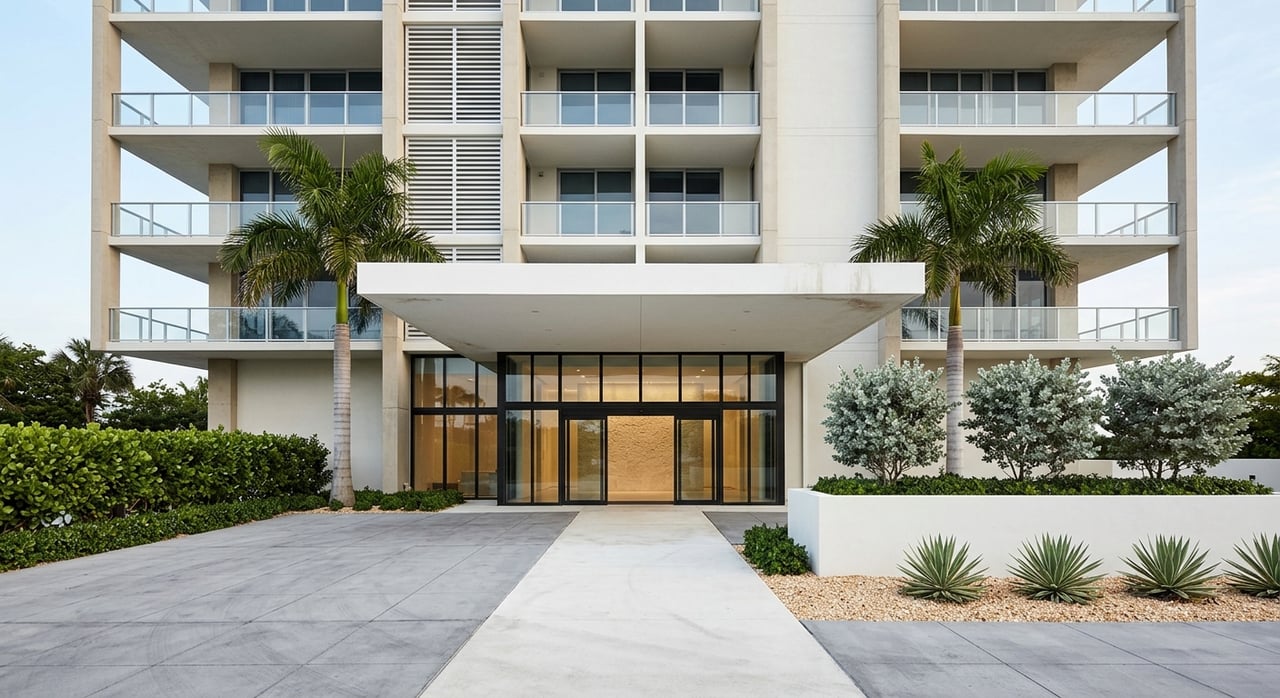
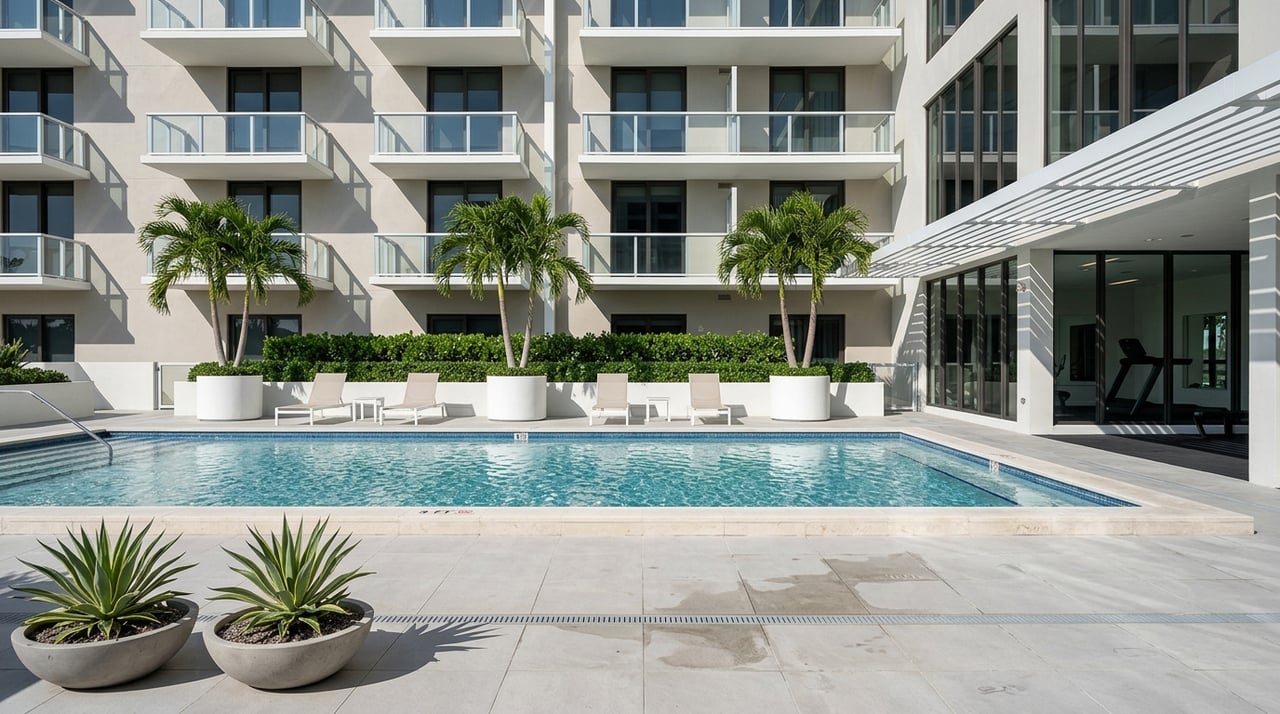
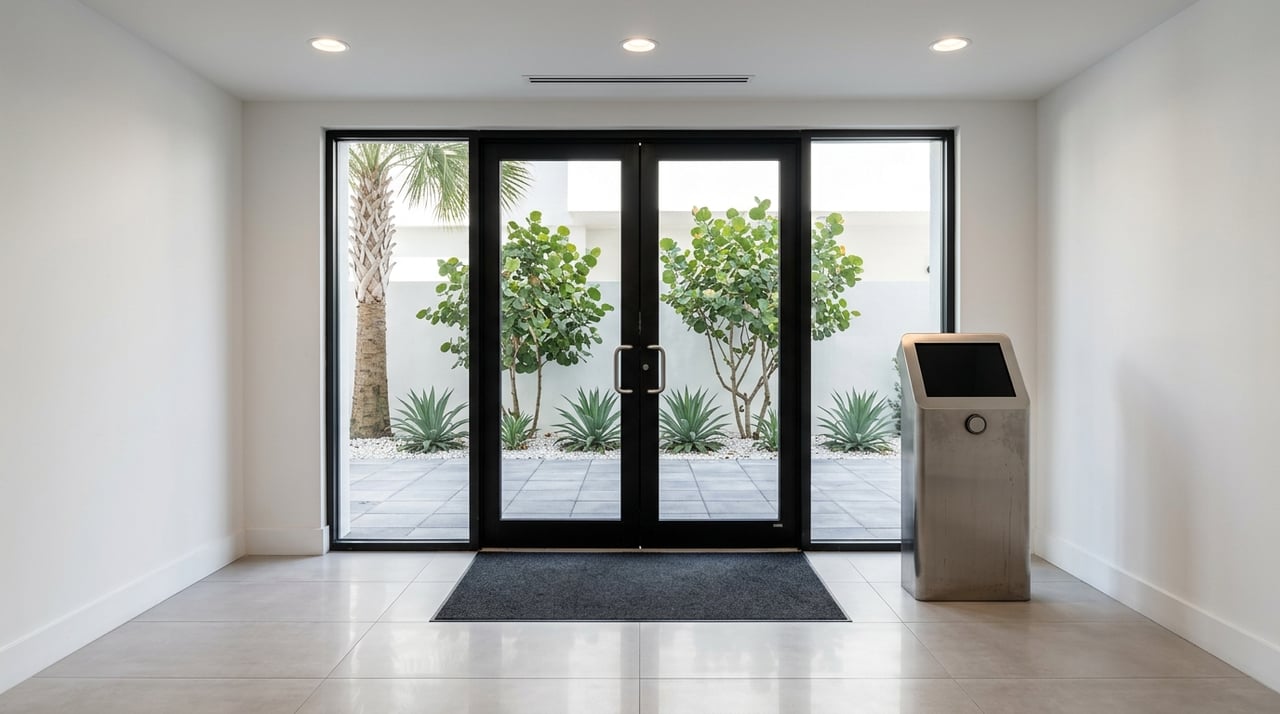
If you want low-maintenance living near restaurants and boutiques, a Las Olas condo is hard to beat. You get services like a staffed entry, elevators, pool, fitness room, and managed grounds. Shared walls and smaller private spaces trade some privacy for ease and urban walkability. Many buyers value the turnkey feel and the ability to lock up and travel without worry.
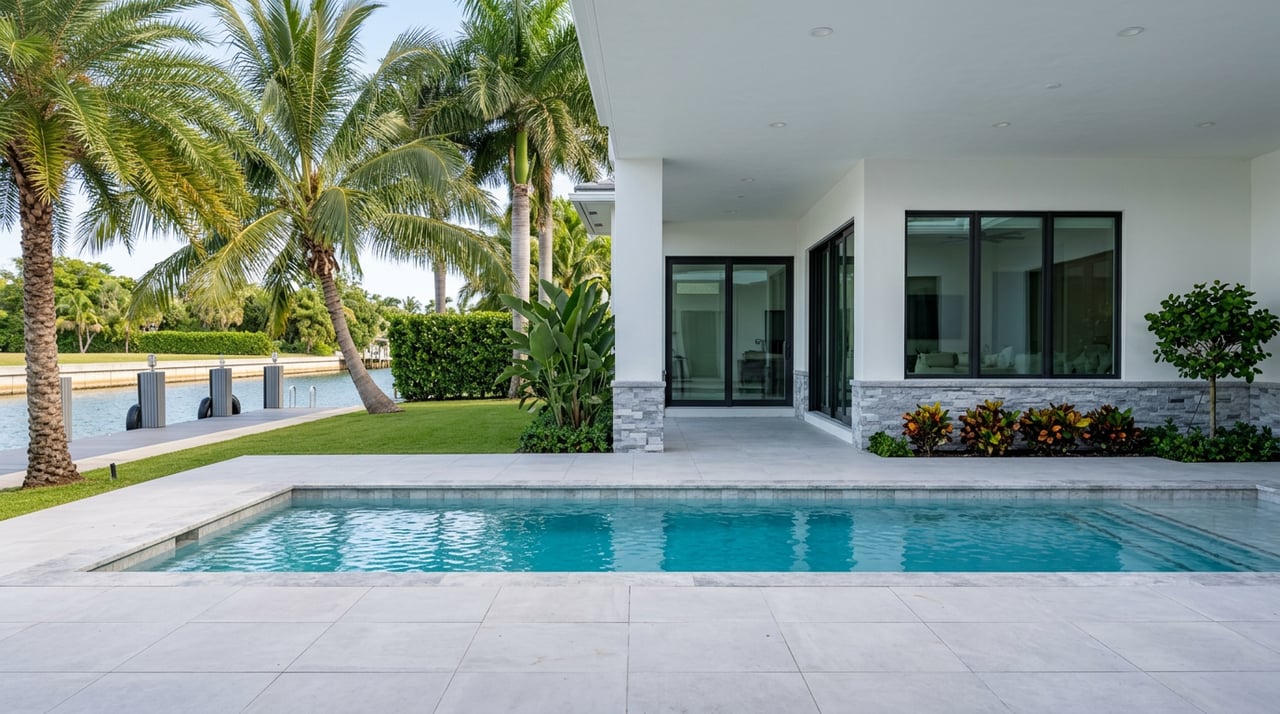
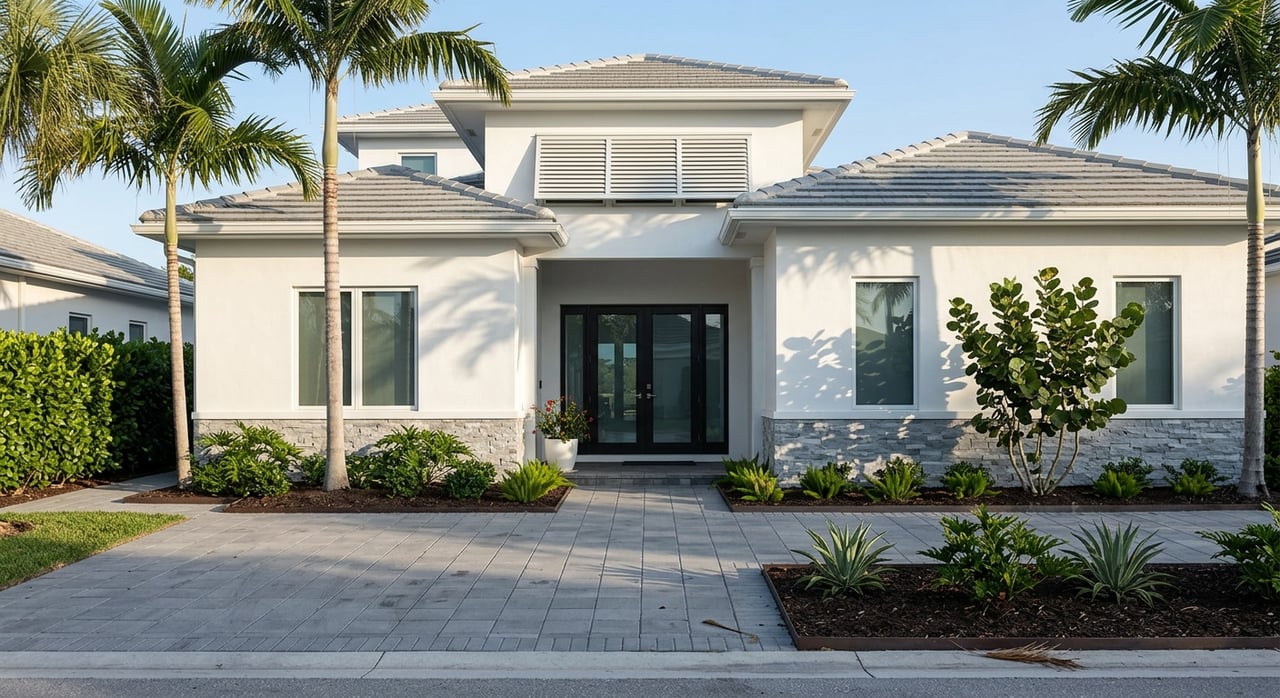
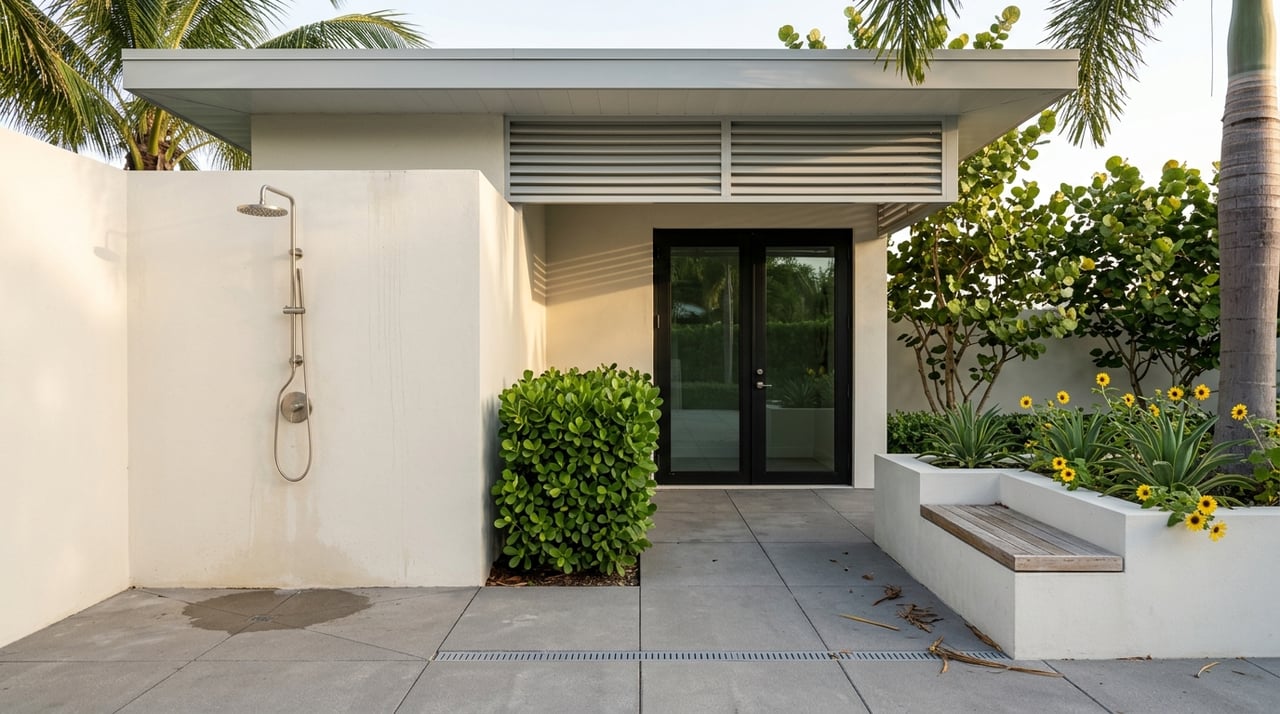
A single-family home on the Las Olas Isles gives you private outdoor space, a pool, and room to tailor indoor and outdoor living. You also control renovations and exterior details on your timeline. The tradeoff is ownership of all maintenance, from landscaping and pool care to roof and exterior repairs. If you want privacy, space, and freedom to customize, this path fits well.
For boaters, the Las Olas Isles are prized for deepwater canals, quick runs to Port Everglades, and many routes with no fixed bridges. Canal width and depth vary by isle, so always confirm clearance and water depth at mean low tide for your specific vessel. Many lots advertise 75 to 150 feet or more of waterfront, but you should verify the practical max vessel length before you buy.
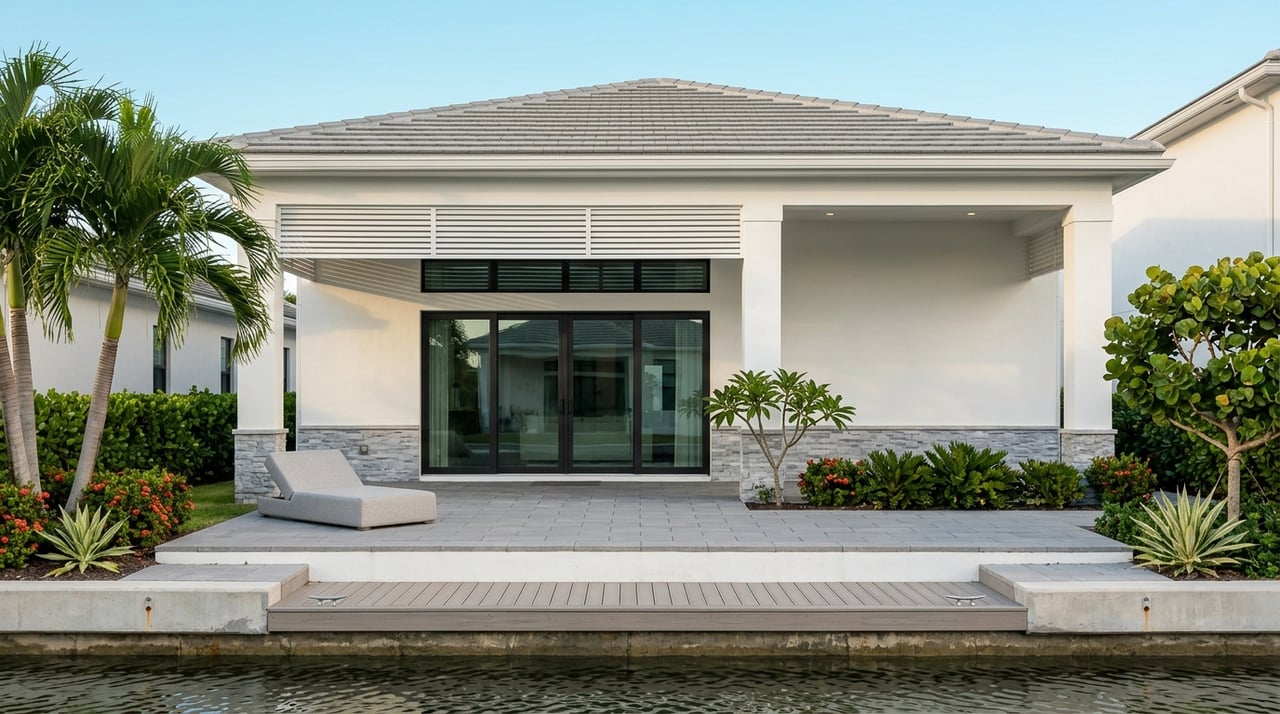
On fee-simple waterfront lots, the dock is typically private and part of the property, so you set the rules and handle upkeep. Some condos and townhome communities offer deeded or assigned slips, or a small marina with shared rules and waitlists. Always verify recorded rights, easements, and the exact slip assignment in the governing documents before you rely on a space.
Most dock, lift, seawall, or dredging projects need local approvals and may require state authorization related to sovereign submerged lands under Florida Statutes Chapter 253. Work in navigable waters can also trigger federal review. Ask sellers for permit history, as-built drawings, and any open permits so you understand what is allowed and what may take time to approve.
In Las Olas, large deepwater single-family homes often sell for several times the price of many condo units. Condos range from mid six figures through seven figures depending on building, amenities, and views, while trophy waterfront estates typically trade in the multi-million range. Inventory and pricing move month to month, so current comps are essential before you decide.
Condo dues vary by building and amenity level. In Fort Lauderdale listings, it is common to see monthly fees that range from the low hundreds to several thousands per month for full-service towers. Single-family waterfront owners may have no master HOA, but you will pay directly for landscaping, pool service, dock and lift upkeep, and any seawall work.
Condominium associations carry a master policy that generally covers the building as originally built, while in-unit finishes are typically the owner’s responsibility under an HO-6 policy. Review the association’s insurance summary and the allocation rules in Florida Condominium Law, Chapter 718. For single-family waterfront homes, plan for dwelling coverage, flood insurance if required, and separate wind or hurricane coverage with sizable deductibles. Flood zone and Base Flood Elevation drive pricing, so review the city’s flood risk resources and learn how to pull a FIRM panel using FEMA’s guidance before you quote policies.
Waterfront ownership often includes big-ticket marine work. Seawall repairs or full replacements can range widely by scope and site conditions, and boat lifts frequently cost in the tens of thousands. Ask for a recent seawall inspection and invoices, and use local cost guidance to set expectations, such as this overview of seawall repair and replacement ranges.
Fort Lauderdale requires a vacation-rental registration, inspections, and annual renewals for properties used as short-term rentals. Review the city’s Vacation Rental Program for compliance steps and penalties. Even if the city allows it, many condo declarations limit or prohibit short stays, so always check the building’s rental policy.
Florida mandates milestone structural inspections for most condo buildings with three or more stories under Statute 553.899. Associations must also follow Chapter 718 for Structural Integrity Reserve Studies and records. These rules can lead to special assessments or higher dues, so request recent inspection reports, reserve studies, and board meeting minutes that reference capital projects.
Confirm that any existing dock, lift, or seawall matches approved plans and permits. Unauthorized work can be costly to fix or permit after the fact. State oversight of submerged lands and easements under Chapter 253 can apply in addition to local rules, so a permit file review is a smart step in due diligence.
Many lenders require condos to meet project-level standards for reserves, insurance, owner-occupancy, and litigation. Non-warrantable buildings can limit loan options and raise down payments and rates. Learn how project reviews work and why they matter with this overview of condo warrantability and lender rules.
Deepwater single-family homes with private docks tend to attract boaters and buyers who value privacy and space. Condos with strong reserves, good management, and walkable locations often appeal to lock-and-leave owners and seasonal users. Market shifts, insurance costs, and building health can affect demand, so evaluate both lifestyle fit and long-term exit options.
Choose a Las Olas condo if you want a streamlined lifestyle near dining and culture with predictable services and shared maintenance. Choose a single-family waterfront home if you want privacy, outdoor space, and a private dock, and you are comfortable managing marine and exterior upkeep. If you plan to rent seasonally, match your strategy to city rules and your building or HOA’s restrictions.
You do not have to make the decision alone. Our boutique team can price current comps, review building health, model flood and wind scenarios, and, if income is part of your plan, benchmark likely occupancy and nightly rates from real in-house results. If you decide to rent, our hospitality arm can operate your property end to end. Ready to compare options with clear numbers and a tailored plan? Connect with Walker Realty & Investments to schedule your free market and rental analysis.
Stay up to date on the latest real estate trends.
At Walker Realty & Investments, we’re dedicated to putting our clients first, offering honest, professional service with integrity at every step. Let’s work together today!