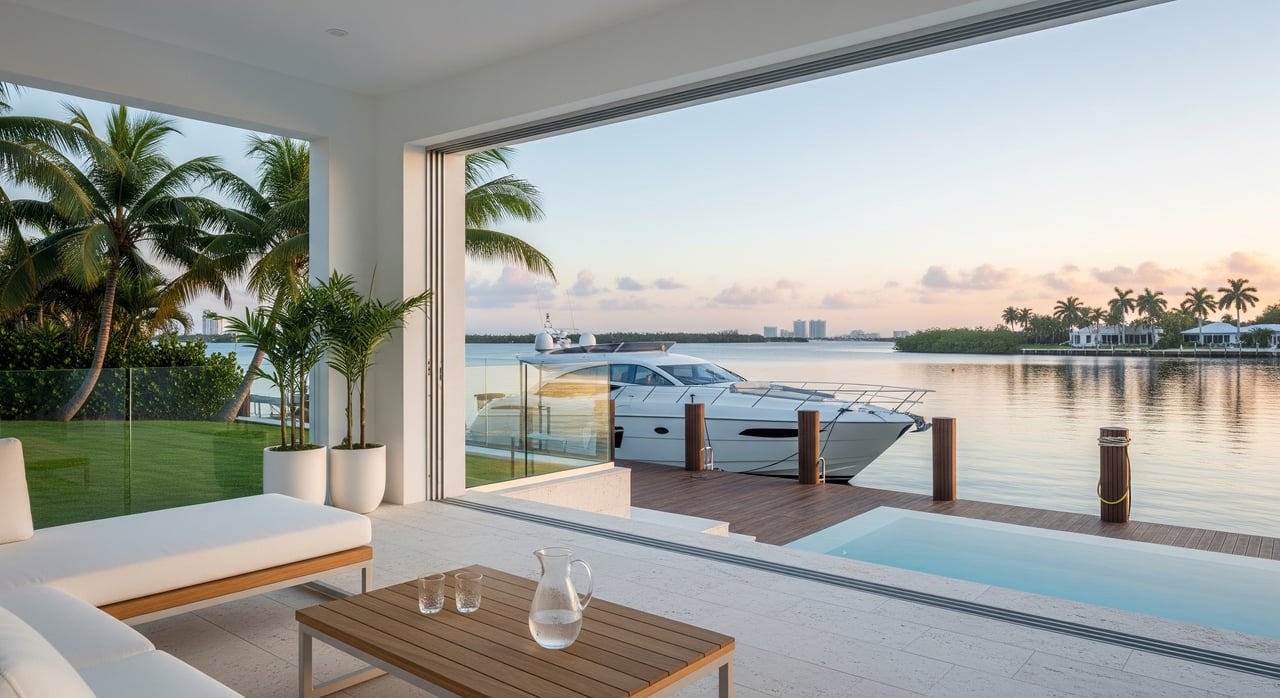
Everyday Waterfront Living In Pompano Beach
February 5, 2026
February 5, 2026
Ever picture your morning starting with a quiet walk to the pier, a paddleboard session on calm canals, or coffee on a balcony overlooking the Intracoastal? If you’re considering a move to Pompano Beach, you’re likely weighing how this lifestyle works in real life. You want a clear view of the day-to-day, not just the postcard moments. In this guide, you’ll learn how waterfront living really feels, from housing choices and boating routines to transportation, costs, and practical planning. Let’s dive in.
Imagine stepping outside to watch early boaters pass along the Intracoastal while beachgoers set up near the pier. By mid-morning, you might grab lunch at a casual café near the water, then meet friends for a sunset stroll on the beach. Weekends often revolve around boat trips, fishing, or reef dives. Evenings tend to be social, with waterfront restaurants drawing steady crowds during season.
The vibe shifts by neighborhood. Beach corridors are livelier and more walkable. Canal streets west of the Intracoastal feel quieter at night, with the soft hum of boat traffic. Seasonal periods bring more visitors, so expect busier parking and dining near the pier during peak months.
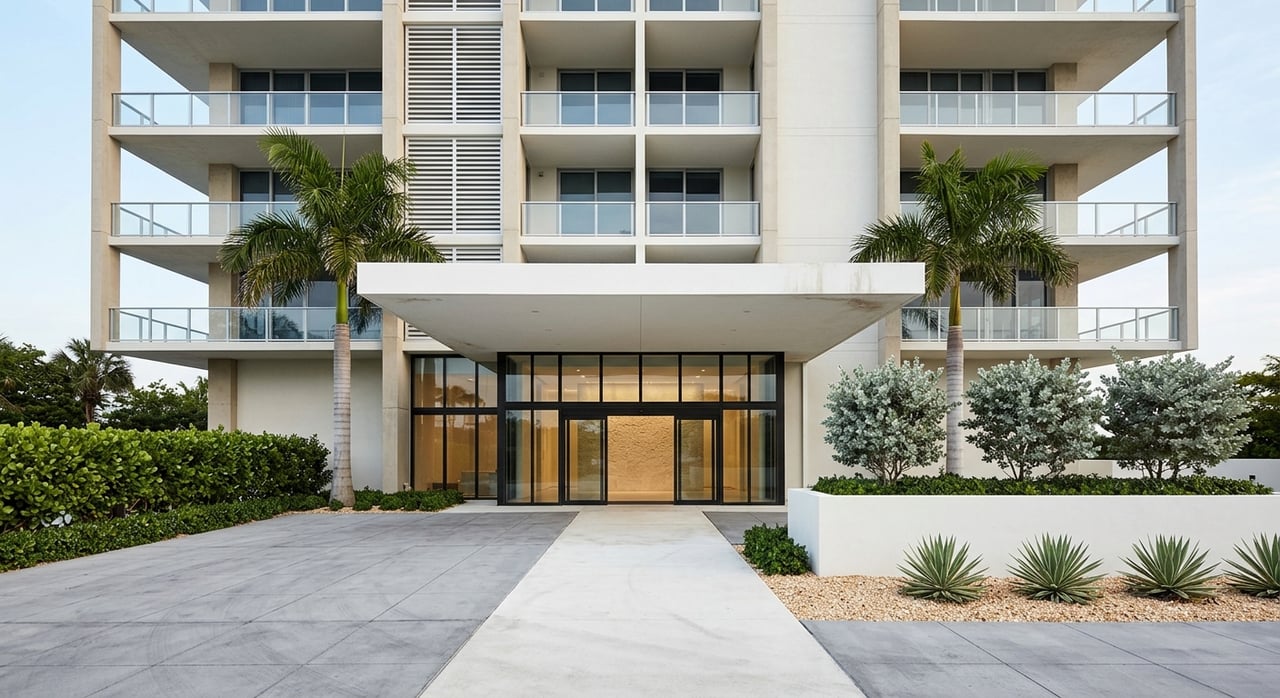
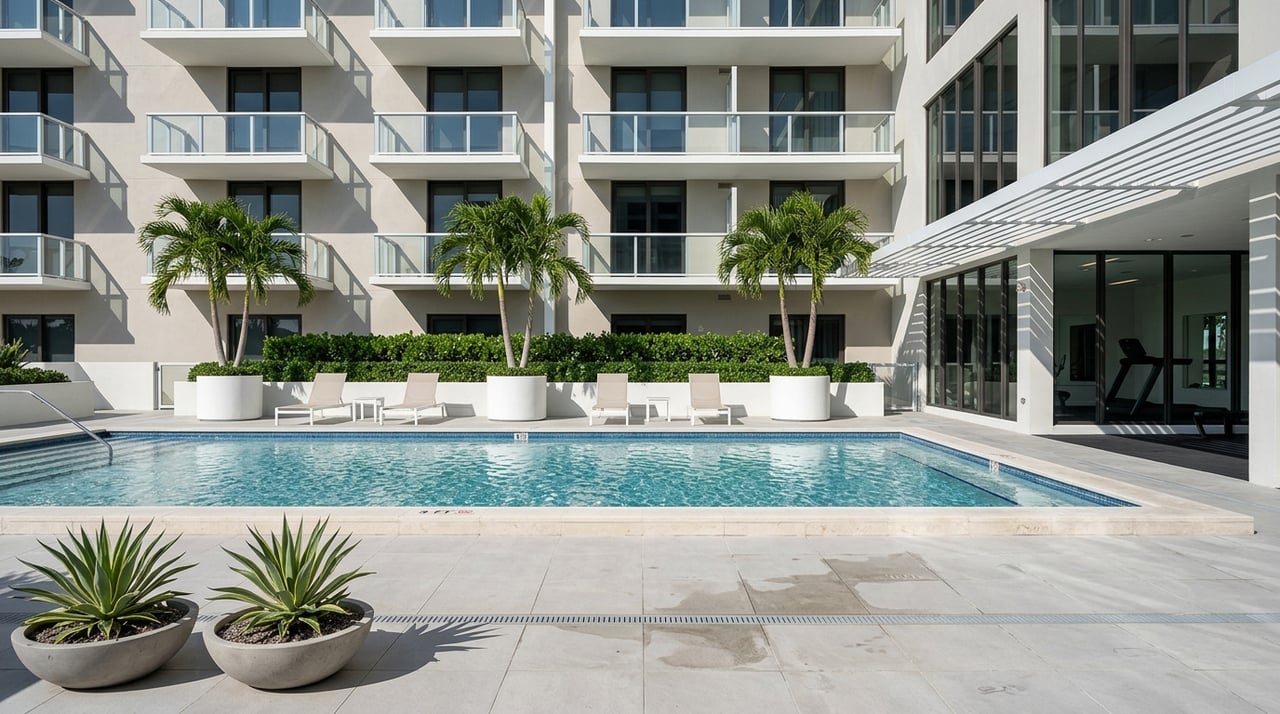
If beach access and sea views top your list, oceanfront living puts you closest to the sand. Condo buildings often include shared amenities and on-site management, which means less hands-on maintenance for you. You’ll trade that convenience for HOA fees and community rules that may limit boat storage or short-term renting. Standalone oceanfront homes offer space and privacy at the highest price tier.
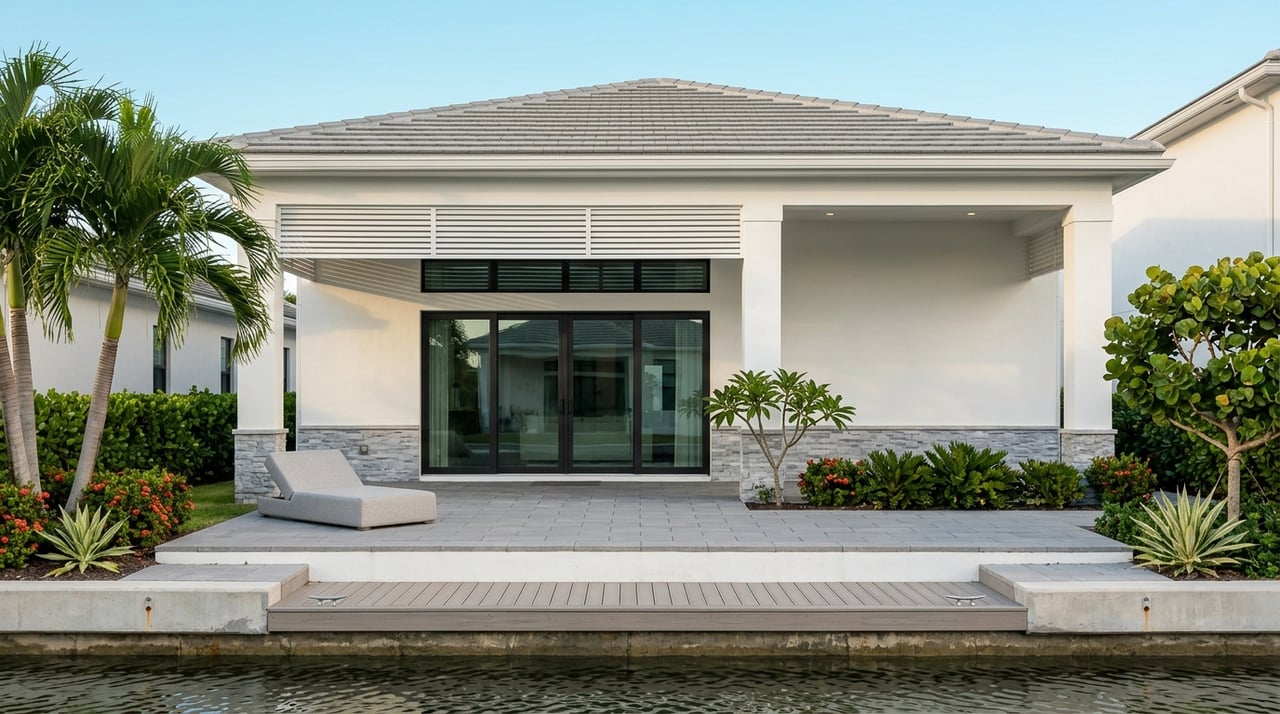
These streets are built for boaters. Many homes have private docks that lead into the Intracoastal and out to the ocean. Daily life often includes afternoons on the water, quick fishing runs, or paddleboarding after work. You’ll have more autonomy than in a condo, but you should budget for dock and seawall upkeep, plus higher insurance compared with inland homes.
Low-rise and mid-rise buildings along canals and the Intracoastal might offer assigned or rentable boat slips. Elevators, secure parking, and on-site managers are common. It’s a good middle ground if you want water access without managing a standalone property. Always confirm slip availability, fees, and rules before you buy.
If you want the beach lifestyle without being directly on the water, near-beach options can lower your purchase price. You’ll drive or walk a few minutes to reach the sand. This choice suits buyers who value proximity but want to limit exposure to higher waterfront maintenance and insurance costs.
Pompano Beach maintains public beach access, seasonal lifeguards, and beachfront infrastructure centered around the pier area. It’s a daily anchor for morning exercise, family time, and sunset gatherings. For beach rules, events, and park info, check the City of Pompano Beach’s official resources at the City of Pompano Beach.
Local marinas and municipal facilities provide fuel, slips, repairs, and haul-out options. If you keep a boat at home, your routine may include timing trips with tides and bridge openings. If you prefer to stay boat-free, charter operators and rentals are common, and public ramps offer flexible access. For safe operation and requirements, review the Florida Fish and Wildlife Conservation Commission’s boating safety guidance.
Pompano’s offshore waters include natural and artificial reefs that attract anglers, snorkelers, and divers. Expect a steady mix of fishing charters and dive boats on fair-weather days. Many residents enjoy casual pier fishing and picking up seafood from local markets after a day on the water.
You’ll find waterfront restaurants with marina views alongside casual cafés near the beach. Everyday errands are straightforward, with grocery stores and services a short drive inland. During high season, dinner near the pier is livelier, so reservations can be helpful.
You’ll likely rely on a car for most errands and commutes. I-95 sits to the west for regional travel, while US-1 and A1A connect coastal neighborhoods. Traffic slows during peak hours and busier tourism periods. Many locals choose coastal side streets for shorter hops to shops or parks.
Local bus service through Broward County Transit connects Pompano Beach with nearby hubs. Tri-Rail offers north-south commuter rail service that links Broward with Miami-Dade and Palm Beach counties. If you work in a nearby downtown, combining bus and rail can reduce driving stress on certain routes.
Fort Lauderdale-Hollywood International Airport provides broad domestic and international options and is within a typical regional drive. For flight planning and airport services, visit the official FLL airport site. Nearby Port Everglades shapes seasonal traffic and tourism, which you’ll notice during cruise peaks.
Waterfront properties generally carry a premium over inland homes. Oceanfront is typically the highest, followed by Intracoastal and then canal frontage. Recurring costs often include HOA fees for condos, dock maintenance or marina slip fees for boaters, and higher homeowners and wind insurance near the coast. Expect regular seawall and dock inspections for single-family waterfront homes.
Many waterfront or low-lying properties fall within FEMA flood zones. If a lender requires it, or if you want added protection, flood insurance is available through both the National Flood Insurance Program and private carriers. To understand flood zones and elevation data, start with the FEMA Flood Map Service Center. For insurance market context and coverage considerations in Florida, consult the Florida Office of Insurance Regulation.
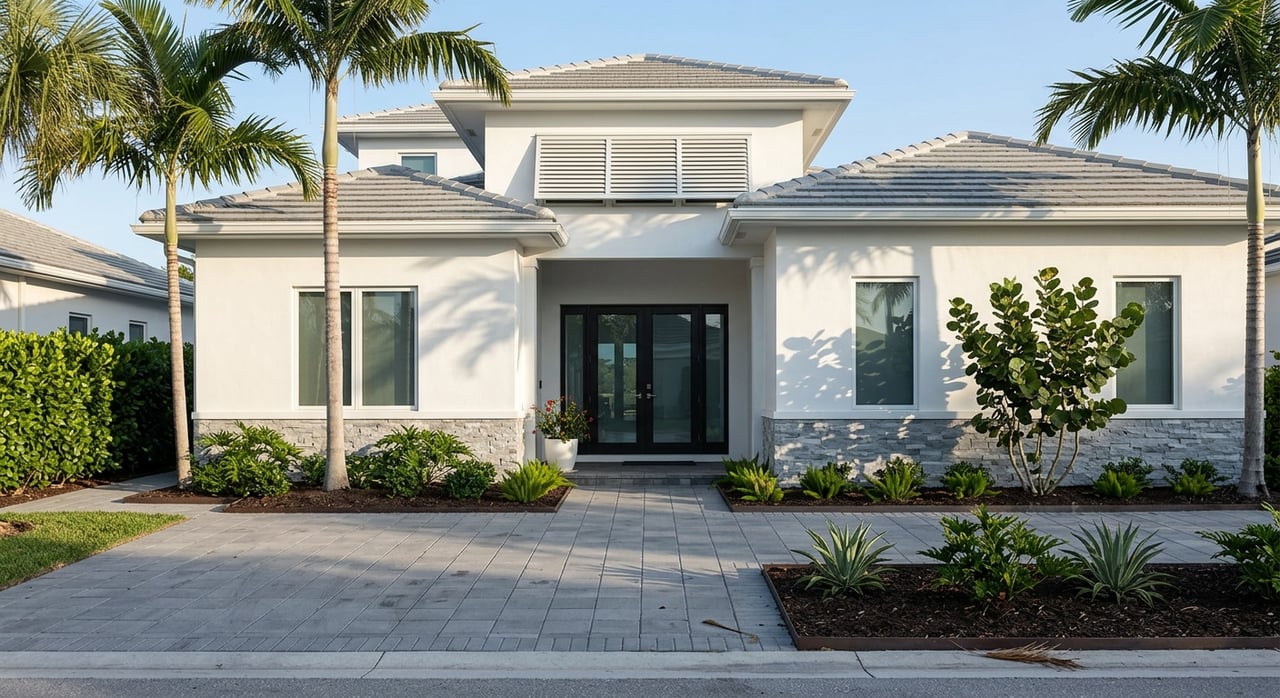
Mitigation features can help with both resilience and premiums. Impact-rated windows and doors, wind-resistant roofs, and proper elevation can reduce risk and may improve insurance options.
In Florida, coastal construction and shoreline improvements are regulated. Work on docks, seawalls, and waterfront structures often requires permits at the city or county level. Projects seaward of designated control lines have additional requirements. For program basics, review the state’s Coastal Construction Control Line information, then verify local permitting steps with city staff before you plan a project.
Coastal municipalities often regulate short-term rentals through zoning, registrations, and safety rules. If you plan to rent nightly or weekly, you should review current city code, unit-specific HOA rules, occupancy limits, and any emergency planning requirements. Clarify regulations before you purchase if rental revenue is part of your strategy.
Public beach parking uses lots and meters, and availability shifts by season and time of day. If you own on a canal, guest docking is typically limited at private docks, while marinas may offer transient slips by reservation. Check fees and rules in advance, especially during weekends.
Coastal homes need routine attention due to salt air and humidity. Expect more frequent exterior cleaning, AC service, and pest control than inland properties. Hurricane season runs June through November, so plan for supplies, shutters or impact protection, and an evacuation plan. You can sign up for local alerts and readiness guidance through Broward County Emergency Management.
Broward County Public Schools serve Pompano Beach. Several private schools and healthcare providers are accessible in Broward County and nearby Fort Lauderdale. When you tour homes, include drive times to your preferred schools, clinics, and hospitals as part of your evaluation.
Picking between oceanfront, Intracoastal, canal-front, and near-beach options comes down to how you want to use the water. If your ideal day involves stepping onto the sand, prioritize oceanfront condos or beach-adjacent homes. If boating is the focus, look for canal or Intracoastal homes where you can keep a vessel at your dock. For low-maintenance living with potential access to slips, explore waterfront condos and verify the details of boat storage and usage rules.
Before you offer, take a due diligence lap. Visit during both peak and off-peak hours. Talk with neighbors. Pull flood maps and request elevation certificates. Gather multiple insurance quotes that reflect your property’s build, elevation, and wind protections. If you plan to boat, call marinas about slip availability and waitlists. If you plan to rent, confirm city rules and HOA guidelines early.
You deserve advice that blends lifestyle insight with clear numbers. Our boutique team knows coastal Broward neighborhoods and helps buyers compare condo, canal-front, Intracoastal, and oceanfront options based on daily living, insurance, and upkeep. If rental income is part of your plan, our integrated hospitality arm can model performance and manage operations with hotel-level standards. When you are ready, connect with Walker Realty & Investments to align your lifestyle goals with a smart purchase. Schedule your free market & rental analysis.
Stay up to date on the latest real estate trends.

At Walker Realty & Investments, we’re dedicated to putting our clients first, offering honest, professional service with integrity at every step. Let’s work together today!