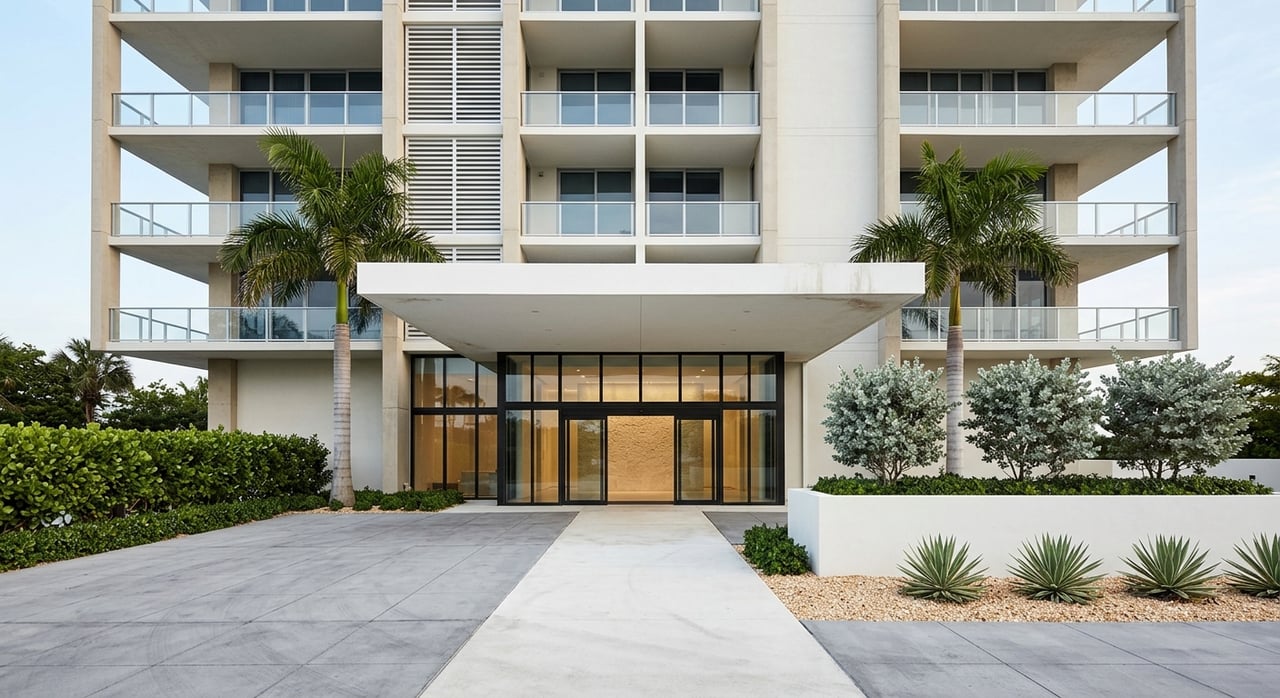
Fort Lauderdale Beach Condo Basics For Out-Of-State Buyers
July 23, 2026
July 23, 2026
Thinking about buying a Fort Lauderdale beach condo from out of state? It can be a smart move, but coastal condos in Broward come with a different checklist than many buyers expect. If you want to avoid surprises around inspections, reserves, insurance, and rental rules, this guide will help you focus on the issues that matter most before you commit. Let’s dive in.
A Fort Lauderdale beach condo is not just about the view, layout, or monthly dues. In this market, the building’s age, inspection status, reserve funding, and permitted use can all affect your costs and your plans for the property.
That is especially important when you are buying from another state. You may not be able to walk into the building office, review records in person, or quickly meet with vendors, so it helps to know which questions to ask first.
Older coastal buildings often face more than one inspection track. For qualifying condo and co-op buildings that are three habitable stories or higher, Florida requires a milestone inspection by age 30 and every 10 years after that, and local enforcement can move that trigger to age 25 in coastal conditions.
Broward County also has its own Building Safety Inspection Program. That program applies to buildings 25 years or older and requires structural and electrical inspections on a 10-year cycle.
For you as a buyer, this means building age is not a small detail. It can signal upcoming reports, repair recommendations, or future costs that may affect your budget soon after closing.
Before you move forward, ask for the building’s current inspection picture. You want to know not just whether an inspection was completed, but also what it found and what action is still pending.
Focus on these items:
The City of Fort Lauderdale says that once notice is received, the owner has 180 days to submit the engineer or architect report. That makes timing important if you are looking at a building that may already be inside an inspection window.
Monthly condo fees only tell part of the story. You also need to know whether the association has been saving enough for major future repairs.
For residential condo buildings that are three habitable stories or higher, Florida requires a structural integrity reserve study every 10 years after creation. For associations in existence on or before July 1, 2022, the first study was due by December 31, 2025, and reserve funding is tied to the most recent study.
This matters because reserve shortfalls can lead to special assessments. Florida law warns that waiving or reducing reserves can leave owners exposed to unexpected charges, and those charges can be significant in older coastal towers.
If you are buying remotely, do not wait until the last minute to review reserve information. Inspection and reserve files should be part of your early screening process.
Ask for:
A unit may look attractively priced at first glance, but the real cost can change quickly if the building has deferred maintenance or underfunded reserves.
For out-of-state buyers, document review is one of the most important parts of the process. Florida law requires associations to maintain records such as the declaration, bylaws, rules, amendments, annual budget, financial report, and certain inspection-related materials.
Those records can help you understand how the building operates, what restrictions apply, and whether large projects or policy changes are already being discussed. They can also reveal whether your intended use of the condo fits the building’s rules.
Florida law also requires key disclosures for certain resale contracts entered after December 31, 2024. If applicable, the buyer must receive the current milestone inspection, turnover inspection report, or structural integrity reserve study summary at least 15 days before the contract is executed.
That timing is a big deal. It means inspection and reserve review should happen before you get too far down the road, not as an afterthought close to closing.
When reviewing a beach condo, request these records:
If you are not in Florida, remote review still matters. State law allows a member or authorized representative to use a portable device to copy official records, which can make long-distance due diligence more practical.
Many out-of-state buyers assume the association’s master policy covers most of the property. In reality, your personal condo policy still plays a major role.
An HO-6 policy is the standard unit-owner policy for a condo. It generally covers your personal property, liability, and some structural items inside the unit, while the association’s master policy usually does not cover items like floor and wall coverings, appliances, cabinets, countertops, and window treatments.
If the unit has upgrades, review your limits carefully. Renovated interiors can increase the amount of coverage you may need inside the unit.
There are a few issues that deserve extra attention in Broward beach properties:
Loss-assessment coverage matters because an association may assess owners for damage to common property when insurance does not fully cover the loss or when reserves are not enough.
A common mistake among out-of-state buyers is assuming that if a condo can be rented, it can be rented any way they want. In Fort Lauderdale, you need to verify both city rules and the building’s own rules.
The city requires vacation-rental registration for any condominium advertised for 30 days or less to transient occupants. Registered vacation rentals must also comply with state and local license and tax requirements, along with minimum housing and life-safety standards.
Fort Lauderdale also added a noise-level detection device requirement for registered vacation rentals, along with 180-day retention of the noise data. If short-term rental income is part of your plan, this is not a minor detail.
City registration does not replace condo-document review. The association’s declaration, bylaws, rules, and amendments are the records that show the building’s own rental framework and use restrictions.
Before you buy, confirm:
For buyers who want income potential, this is where local, hands-on guidance can save time and reduce risk. A condo that looks promising online may not match your use case once the documents are reviewed.
If you are comparing several Fort Lauderdale beach condos from another state, start with the issues most likely to affect value, cost, and usability. That helps you avoid spending time on properties that do not fit your goals.
Here is the short list to verify first:
This first-pass filter can make your search much more efficient. It also gives you a clearer way to compare one building against another beyond price per square foot or monthly dues.
Buying a coastal condo from out of state is easier when you have a single point of contact who understands both the transaction side and the practical ownership side. You are not just buying a unit. You are buying into a building, an association, and a specific set of local rules.
That is why boutique guidance can be so valuable in Fort Lauderdale. When your goals include part-time use, a future investment angle, or possible rental income, it helps to work with a team that understands how those pieces fit together in real life.
If you want help evaluating beach condos, reviewing likely ownership costs, or thinking through rental potential, Walker Realty & Investments can help you move forward with local insight and personalized support.
Stay up to date on the latest real estate trends.


At Walker Realty & Investments, we’re dedicated to putting our clients first, offering honest, professional service with integrity at every step. Let’s work together today!