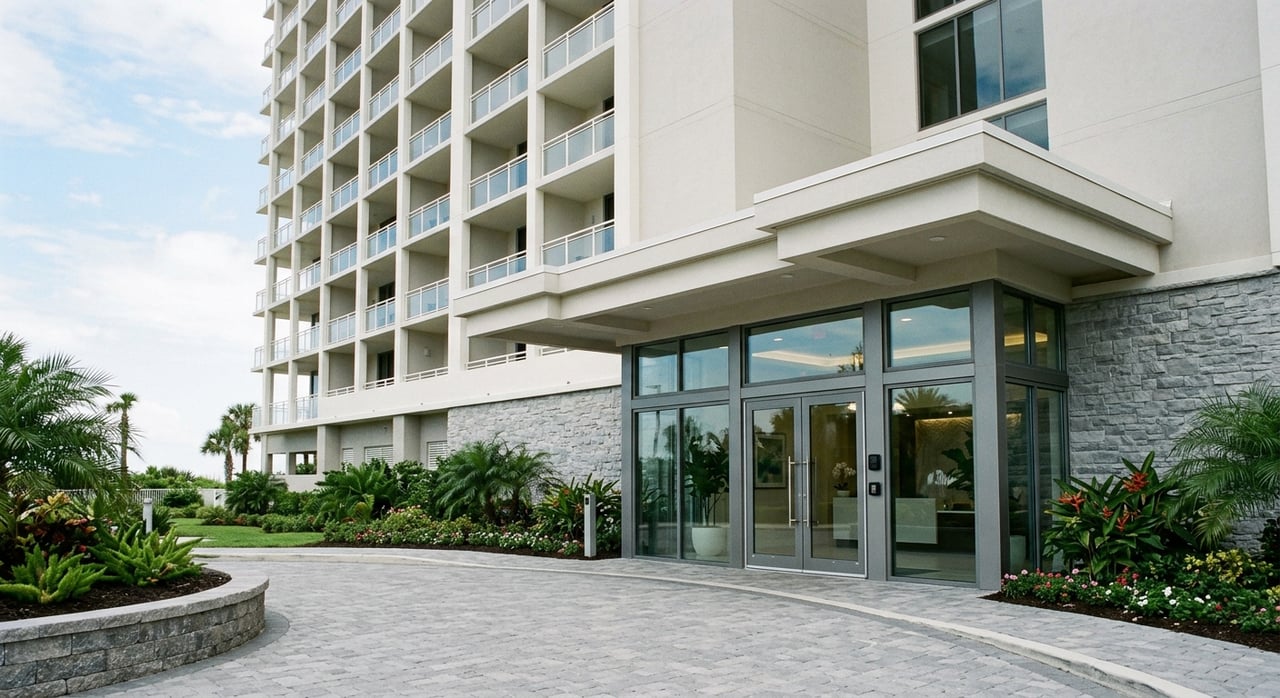
Fort Lauderdale Beach Condo Rental Rules and Strategy
May 14, 2026
May 14, 2026
Thinking about buying a Fort Lauderdale beach condo and using it as a vacation rental? It can be an appealing strategy, but the right unit is not always the one with the best photos or the highest projected nightly rate. If you want a property that works for both guests and your bottom line, you need to look closely at demand, building rules, and the local approval path. Let’s dive in.
Fort Lauderdale Beach has a strong visitor appeal that supports vacation-rental interest. Visit Lauderdale describes it as a three-mile stretch of sand in a walkable area with shops, restaurants, sidewalk cafes, and entertainment venues along the beachfront promenade. That kind of layout matters because short-stay guests often value convenience as much as the unit itself.
Arrival is also relatively easy for out-of-town visitors. Fort Lauderdale-Hollywood International Airport is just minutes from the beach, and Broward County reported 32.2 million total passengers in 2025. For condo owners, that level of airport traffic supports the case for steady travel demand.
The broader tourism picture adds more context. Visit Lauderdale reported more than 20.9 million travelers in 2025 across Greater Fort Lauderdale, and its April 2026 tourism release said hotel occupancy reached 85% in March 2026. While hotel performance does not equal condo performance, it does point to sustained leisure demand in the beach market.
Not every beach condo performs the same way as a vacation rental. In Fort Lauderdale, the most marketable units are often the ones that make a guest stay easy from start to finish. That usually means strong beach access, walkable dining, manageable parking, and a simple arrival experience.
A beautiful unit can still be a poor rental fit if the building is hard to navigate or the rules create friction for guests. In many cases, the building matters almost as much as the view. Clear guest procedures, usable parking, and practical access can support better reviews and repeat bookings.
Before you assume a condo can be rented nightly or weekly, confirm the local compliance path. Under Florida law, a vacation rental can include a condominium unit used as a transient public lodging establishment. State law also says local governments may not prohibit vacation rentals or regulate the duration or frequency of rental, though local building and fire inspections are still allowed.
In Fort Lauderdale, city registration is required for any condo or dwelling unit advertised to transient occupants for periods of 30 days or less. The city also states that owners must first secure required state and county licenses and tax registrations before applying for local approval. In other words, city approval is not the first step.
If any part of that chain breaks, the rental strategy may not work as planned. That is why buyers should verify the process before closing, not after.
City operating standards can shape how usable a condo really is as a vacation rental. Fort Lauderdale says maximum occupancy is based on legal bedrooms and capped at two persons per bedroom. The ordinance also includes a density limit of one person per 150 gross square feet of permitted, air-conditioned living space.
The city also requires documentation for off-street parking. Lease language must state that on-street parking is not allowed. Annual inspections are required, and the property must have a noise-level detection device with data retained for 180 days.
These details matter because they can affect guest experience, listing setup, and your operating systems. If a building has limited parking or a layout that feels tight under occupancy rules, your income assumptions may need to be adjusted.
For Fort Lauderdale beach condos, association documents often make or break the investment. The recorded declaration, bylaws, and amendments usually matter more than listing remarks. Even if a property is in a city that allows vacation rentals, the building may still restrict rental frequency, minimum lease terms, or guest access.
Florida condo law says an amendment that prohibits renting, changes rental term, or limits the number of rentals in a period applies only to owners who consented to that change and owners who take title after the amendment becomes effective. That means some rental rights may be grandfathered, but only if the documents support that position.
For beachfront buildings, day-to-day compliance can include additional life-safety details such as posted evacuation maps and sea-turtle lighting standards. These may not stop a rental strategy, but they can affect operations and guest communication.
One of the biggest mistakes buyers make is relying on a single citywide short-term rental average. Public STR analytics for Fort Lauderdale vary widely. AirROI’s 2026 snapshot showed 44.7% occupancy, Rabbu showed about 53%, and Airbtics showed 68% in a different dataset window.
Those gaps are a reminder that averages can hide major differences in building quality, unit type, seasonality, and platform mix. A beach condo with smooth guest access and favorable rules may perform very differently from a unit in a stricter building. That is why building-specific underwriting is usually safer than market-wide assumptions.
For broader demand context, a CoStar and Keyes hospitality report for the Fort Lauderdale/Beach submarket showed 69.3% hotel occupancy, a $247.29 ADR, and $171.25 RevPAR in a February 27, 2023 snapshot. Visit Lauderdale later reported 85% hotel occupancy in March 2026. These numbers do not translate directly to condo rentals, but they do reinforce the strength of the local beach travel market.
When you review a condo as a vacation-rental candidate, it helps to model a range instead of a single result.
This approach gives you a more stable view of risk and potential returns.
Tax treatment is important whether you plan to rent nightly, weekly, or seasonally. Broward County’s Tourist Development Tax rate is 6%. Florida sales tax on transient accommodations is 6%, and Broward’s discretionary sales surtax is 1%.
The Florida Department of Revenue tax history table lists Broward lodging at a combined 13% for living and sleeping accommodations. Broward County also notes that rentals longer than six months may be exempt if supported by bona fide written long-term leases. For buyers comparing short-stay and longer seasonal strategies, that distinction can materially affect planning.
If you are shopping for a Fort Lauderdale beach condo with vacation-rental potential, the strongest candidates usually share a few traits. They sit in buildings with clear rental rules, practical parking, smooth guest procedures, and a location that reduces friction for short stays.
That means your checklist should go beyond ocean views and projected rates. You want a condo that can be operated legally, managed consistently, and marketed in a way that matches how guests actually travel to Fort Lauderdale Beach.
The best vacation-rental condos are not always the flashiest. In many cases, they are the properties where location, rules, and operations line up cleanly from day one.
If you want help evaluating a Fort Lauderdale beach condo for both purchase potential and real-world rental performance, Walker Realty & Investments can help you assess the building, the compliance path, and the income strategy with a boutique, hands-on approach.
Stay up to date on the latest real estate trends.



At Walker Realty & Investments, we’re dedicated to putting our clients first, offering honest, professional service with integrity at every step. Let’s work together today!