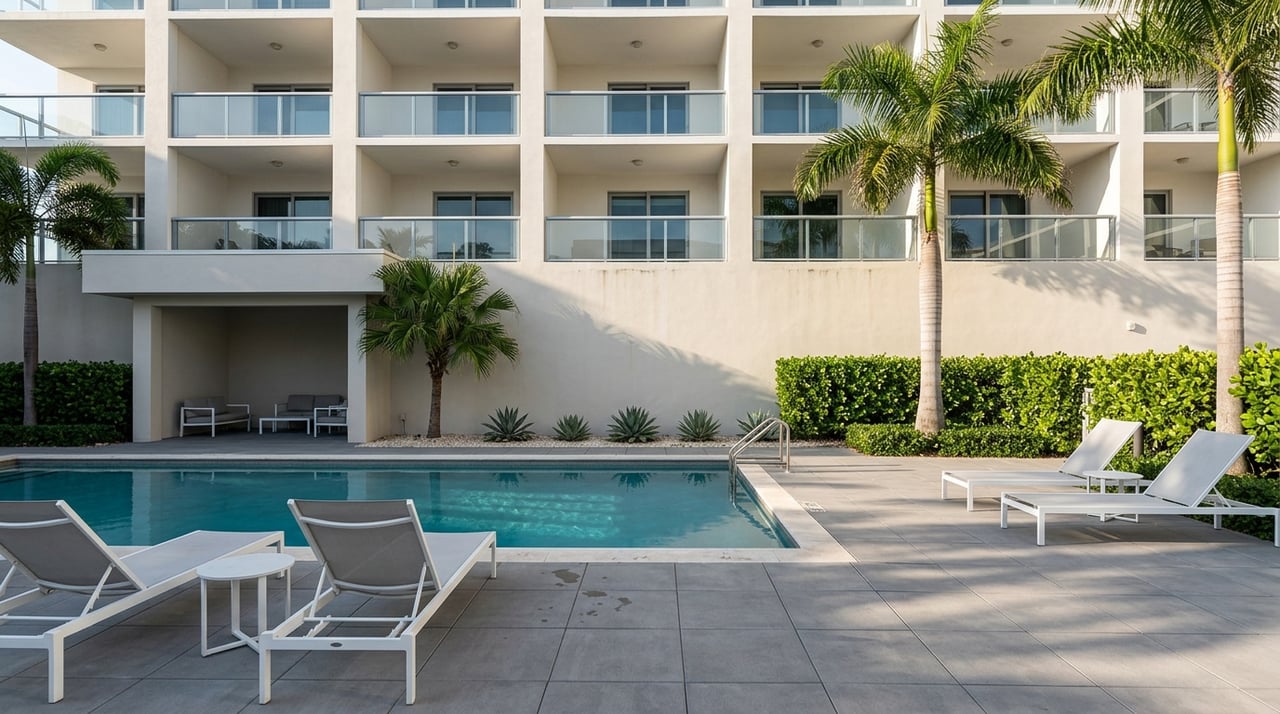
Fort Lauderdale Beach Condo vs Home: What to Know
May 7, 2026
May 7, 2026
Trying to decide between a condo and a home near Fort Lauderdale Beach? It is a bigger choice than square footage, views, or whether you want a yard. You are also choosing how much control, maintenance, shared responsibility, and financial risk you want to take on. If you understand those trade-offs early, you can make a smarter move with fewer surprises later. Let’s dive in.
On Fort Lauderdale Beach, the first decision is not just property type. It is also the legal structure behind it.
With a condo, Florida law gives the association broad responsibility over common elements, repairs, and many building-related issues. Condo associations also have the right to access units when needed for maintenance or to prevent damage. That usually means more shared decision-making and more building-level oversight.
With a single-family home, or some townhomes, the setup is often more owner-controlled. If there is a homeowners association, its authority comes from the recorded declaration and governing documents. Florida law also limits HOA control over certain interior features that are not visible from the frontage, nearby parcels, common areas, or a community golf course.
That is why two properties that look similar on paper can feel very different in real life. A townhome, for example, may operate more like a condo or more like a fee-simple home depending on the deed and community documents.
Before you focus on finishes or floor plan, review the declaration, rules, budget, insurance information, and any current assessments. For condos, official records can also include structural integrity reserve studies and inspection reports. Those documents often tell you more about daily ownership than the listing details do.
For many buyers, the biggest difference between condos and homes is how you want to live day to day.
Condos usually offer more turnkey living. The association generally handles common areas, exterior maintenance, and many shared systems. You still maintain your personal property and many interior items within the unit boundary, but you may have fewer exterior chores on your list.
Homes usually give you more direct control. You are often responsible for more upkeep, repairs, and vendor decisions, but you also have more say over timing and how the property is used. That can be a major benefit if privacy and autonomy matter to you.
If you plan to use the property part of the year, a condo may feel easier to manage. Shared maintenance and building services can simplify ownership when you are not in town full time.
If you want more space, less shared access, and a stronger sense of separation from neighbors, a home may be the better fit. In general, homes offer more control over daily access and property use, though HOA rules can still apply in planned communities.
The purchase price is only part of the story on Fort Lauderdale Beach. Your real cost of ownership may look very different between a condo and a home.
Condo owners often pay higher monthly association dues because the association is funding maintenance, insurance, and reserves for common elements and building systems. Those dues can support convenience, but they also reflect the cost of shared responsibility.
Homeowners may have lower monthly association costs, or none at all, but they often pay directly for repairs, maintenance, and exterior work. That can give you more control, but it also means you carry more of the timing and vendor burden yourself.
In older coastal condo buildings, especially those with three habitable stories or more, Florida law now requires structural integrity reserve studies for major components like the roof, structure, plumbing, electrical systems, waterproofing, windows, and exterior doors. Those studies are especially important when you are evaluating whether a building has been planning properly for future costs.
Florida’s milestone inspection law also applies to condominium and cooperative buildings that are three habitable stories or more. The first inspection is due by the year the building turns 30, and every 10 years after that, though local enforcement may require the first inspection at 25 years for buildings near salt water.
For buyers, the takeaway is simple. A low condo fee does not always mean better value. It can sometimes point to deferred maintenance, limited reserves, or the possibility of a special assessment after inspections or reserve planning.
Beach-area buyers should look at insurance and flood exposure before making an offer, not after.
The City of Fort Lauderdale directs buyers to determine flood zone using the FEMA flood insurance rate map, and Broward County’s current flood-zone map became effective July 31, 2024. In the city’s flood guidance, Zone VE is identified as a coastal floodplain with storm-wave hazards, and mandatory flood insurance purchase requirements apply in listed flood zones.
That makes location a direct affordability issue. A property’s coastal setting may be beautiful, but flood risk can affect your monthly payment and long-term ownership costs.
For condos, the association must maintain insurance for the condominium property it is required to insure. If covered damage happens to that insured property, the association generally handles reconstruction, repair, or replacement as a common expense.
That does not mean you are fully covered as a unit owner. You are still responsible for personal property and many interior finishes and fixtures within the unit boundary. When reviewing a condo, ask what the master policy covers and what you would need to insure separately.
If you buy a home in an HOA community, you may still need to follow association standards for hurricane protection. Florida law requires HOAs to adopt hurricane-protection specifications that comply with the building code, and conforming installations cannot be denied. That can include shutters, impact-resistant windows and doors, and qualifying roof systems.
If you hope to offset costs with rental income, the condo-versus-home question becomes more detailed.
Fort Lauderdale requires vacation rentals advertised for 30 days or less to transient occupants to register when the property is a residential single-family, two-family, three-family, or four-family dwelling or a condominium unit. The city also requires state and county licenses before the city application.
That means both condos and homes can come with rental compliance requirements. If rental income is part of your plan, do not rely on assumptions.
For condos especially, the recorded documents may limit or prohibit certain rental activity even if city registration is available. A home may offer more flexibility in some cases, but you still need to verify city requirements, flood zone, insurance implications, and any HOA restrictions.
This is where a property’s operating reality matters just as much as its purchase appeal. If you are buying with income potential in mind, you need a clear picture of compliance, carrying costs, and any upcoming building expenses.
There is no one-size-fits-all answer on Fort Lauderdale Beach. The better choice depends on how you want to use the property and how much direct responsibility you want to manage.
No matter which direction you lean, careful due diligence is essential in this market.
Ask for the governing documents, current budget, financial reports, insurance information, reserve studies if applicable, milestone inspection summaries if applicable, and a record of any current or pending assessments. These details can help you understand whether a property truly fits your budget and goals.
It also helps to compare total monthly carrying cost, not just the sale price. Include dues, insurance, possible flood insurance, maintenance expectations, and the risk of special assessments.
A beach property can serve very different goals. You may want a low-maintenance second home, a primary residence with more privacy, or a property with short-term rental potential. The key is choosing the ownership structure that supports how you actually plan to live or invest.
If you want help weighing condos against homes, reviewing carrying costs, or evaluating rental potential in Fort Lauderdale, Walker Realty & Investments can guide you with a boutique, hands-on approach backed by local brokerage and hospitality experience.
Stay up to date on the latest real estate trends.





At Walker Realty & Investments, we’re dedicated to putting our clients first, offering honest, professional service with integrity at every step. Let’s work together today!